The Quiet Weight Men Carry: Rethinking Men’s Mental Health
By Dr. Veronica Dumas, Psy.D. | Miami Shores Living Article
Published on 6/12/26
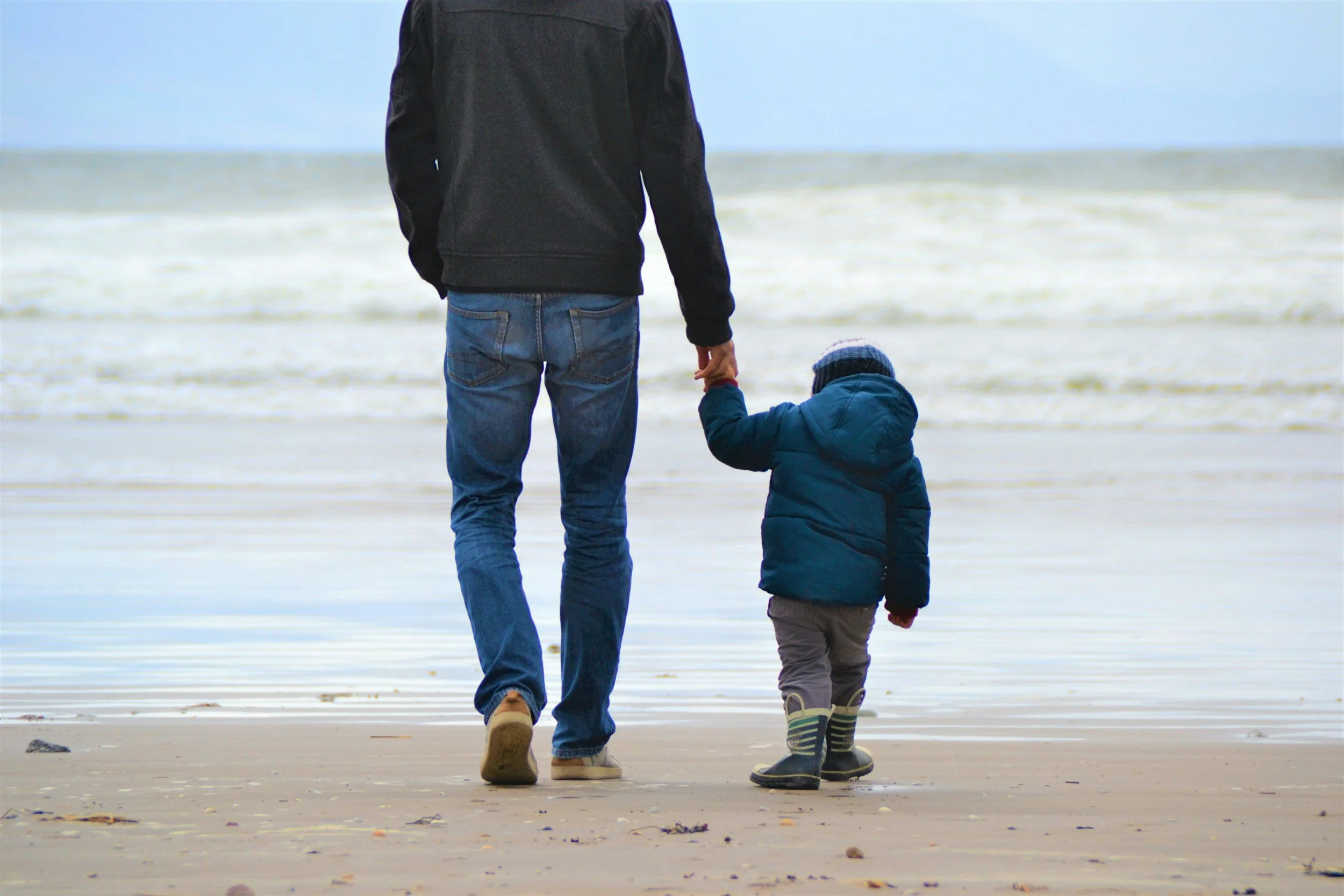
June is Men's Health Month and also the month when many families celebrate Father’s Day. We use this time to recognize the men in our lives for what they do: the work they provide, the families they support, the problems they solve, and the strength they show up with.
But this June, we may want to ask a different question: What might the men in our lives be quietly carrying? What feels like a heavy burden to them? What are they not sharing with loved ones for fear of being judged? Of not being “enough”? For fear of being perceived as weak or insufficient?
Many men are historically taught to keep going, stay strong, and handle stress privately. While on the outside, we may label this as resilience, it may also create a veil over emotional pain, making suffering more difficult to detect. Men may not always say, “I feel depressed,“ I feel lonely,” or “I need help.” Instead, distress may show up in quieter ways: irritability, working too much, not sleeping enough, drinking more than usual, withdrawing from others, or simply saying “I’m fine” when they really are not.
According to the CDC, males with depression are less likely than females to seek counseling or therapy from a mental health professional. This reminds us that many men may be struggling silently, even when they appear to be functioning just fine.
What to Watch Out For
Check in on the men in your life if you notice:
Pulling away from family, friends, or their usual activities
Increased irritability, anger, or impatience.
Sleeping much more or much less than usual
Drinking more or using substances to relax
Working excessively or staying busy constantly
Decreased interest in hobbies or things they used to enjoy
Comments like “I’m tired of everything”, “Nothing really matters”, or “Everyone would be better off without me”
Changes in appetite, energy, or personal hygiene
Avoiding conversations about finances, health, relationships, stress, or grief.
Practical Ways to Offer Support
Sometimes men respond better to an approach that feels calm, respectful, and not too confrontational. Try these tools:
Ask specific questions. Instead of “are you okay?”, try “You seem quieter lately. Has something been weighing on you?”
Start a conversation while doing something. Some men feel more comfortable opening up while walking, driving, exercising, fishing, or working on a project. Feeling emotionally vulnerable is not comfortable for many men.
Normalize support. Say something like “A lot of people need help when life gets heavy. You do not have to handle all this alone”
Listen without fixing right away. Avoid jumping into advice. Try “That sounds really hard“ or “I’m glad you told me.” Although most men tend to want to “fix” problems, when it comes to their own, just unloading can feel like a great relief.
Check on sleep, stress, and isolation. Often, these are easier entry points than asking directly about depression or any other mental health concerns.
Encourage professional help. Offer to find a therapist, doctor, support group or trusted person he can talk to.
Follow up. One conversation may not be sufficient. A simple “I’ve been thinking about you” can make a difference.
Take warning signs seriously. If he talks about wanting to die, feeling like a burden, or having no reason to live, do not leave him alone. Call or text 988 for the Suicide and Crisis Lifeline, or seek emergency help.
A Different Kind of Strength
This June, as we celebrate fathers, grandfathers, husbands, sons, brothers, friends, and neighbors, let us remember that men’s health is more than physical checkups. It also includes emotional connection, rest, purpose, support, and the ability to say “I’m not okay.”
Sometimes the men who seem the strongest are quietly carrying the most emotional burden. One of the greatest gifts we can offer is not pressure to talk, but permission to be human.
Strength is not silent. Strength can also be connection, honesty, and the courage to receive support.
Happy Father’s Day to all the amazing fathers in our community who give so much to their families every day, and happy Men’s Health Month, when we honor and highlight the importance of keeping our men healthy, both physically and emotionally.
If you or a loved one needs to speak to a therapist, visit us at www.baypointcounseling.com